
Instagram Facebook TikTok LinkedIn
EN CN
Instagram Facebook TikTok LinkedIn

650sqm Foldable LED Mesh Sceen for Stage in Shanxi,China,2023

Engineering Behind Robotic LED Display Systems: Structure, Motion and Control Technology

2026-07-22

Share

One-Sentence Definition

A Robotic LED Display is an advanced dynamic display system that integrates LED technology, mechanical engineering, and intelligent control systems to achieve precise screen movement and synchronized visual experiences.

Table of Contents

  1. Why Robotic LED Displays Require Advanced Engineering

  2. Core Technologies Behind Robotic LED Display Systems

  3. How Mechanical Structures Support Dynamic LED Movement

  4. How Motion Control Systems Create Precise Movements

  5. LED Display Integration and System Synchronization

  6. Key Manufacturing Processes of Robotic LED Displays

  7. Why Choose a Professional Robotic LED Display Manufacturer

  8. FAQ

Why Robotic LED Displays Require Advanced Engineering

A Dynamic LED System Is More Than a Moving Screen

Traditional LED displays mainly focus on:

🔘Image quality

🔘Resolution

🔘Brightness

🔘Stable operation

However, Robotic LED Displays add another layer of complexity: mechanical movement.

A successful robotic LED system must solve multiple engineering challenges:

🔘Heavy structure movement

🔘Precise positioning

🔘Long-term stability

🔘Content and motion synchronization

Therefore, a robotic LED display is not simply a screen.

It is a combination of:

LED technology + mechanical engineering + intelligent control + system integration

Core Technologies Behind Robotic LED Display Systems

A high-performance Robotic LED Display consists of four major systems.

1. Mechanical Structure Design

The mechanical structure is the foundation of a dynamic LED system.

Because LED modules and supporting components can be heavy, engineering design must consider:

🔘Load capacity

🔘Movement stability

🔘Installation accuracy

🔘Long-term reliability

Customized structures may include:

🔘Sliding systems

🔘Lifting mechanisms

🔘Rotating structures

🔘Multi-axis movement systems

Each project requires a unique engineering approach.

2. Motion System

The motion system determines how the LED structure moves.

Key components include:

🔘Motor drive systems

🔘Transmission mechanisms

🔘Position sensors

🔘Motion control modules

A professional motion system must provide:

Precision

Accurate positioning during movement.

Smooth Operation

Stable movement without vibration.

Safety

Reliable operation during long-term use.

3. Intelligent Control System

A robotic LED system requires more than movement.

It requires synchronization.

The control system coordinates:

🔘Video playback

🔘Screen movement

🔘Timing sequences

For example:

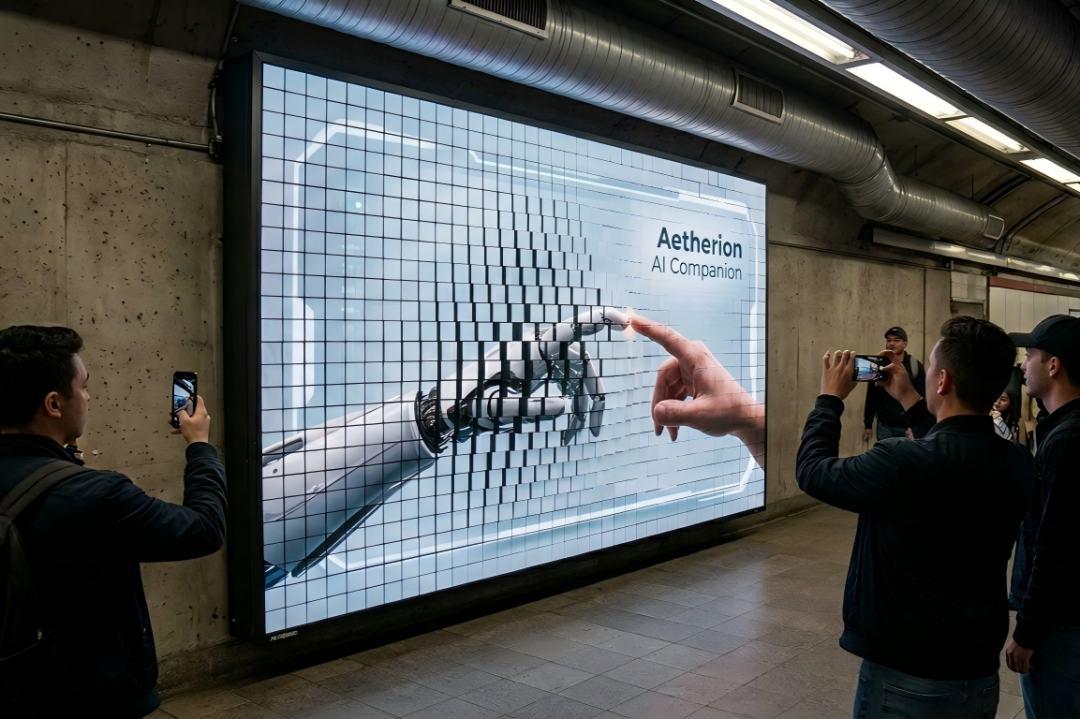
When visual content changes, the LED structure can move simultaneously to create a stronger spatial experience.

4. LED Display Integration

The final goal of a robotic LED system is still high-quality visual performance.

The LED display system must provide:

🔘High refresh rate

🔘Bright and clear images

🔘Consistent colors

🔘Stable module performance

Even during movement, the display must maintain:

🔘Smooth playback

🔘Seamless visuals

🔘Reliable operation

How Mechanical Structures Support Dynamic LED Movement

Customized Engineering Determines Performance

Every Robotic LED Display project requires customized development.

Engineers consider:

🔘Product size

🔘Installation environment

🔘Motion requirements

🔘Application scenarios

Large-scale robotic LED systems require careful planning of:

🔘Weight distribution

🔘Center of gravity

🔘Movement paths

🔘Safety mechanisms

This is what makes creative LED engineering different from standard LED installation.

LED Display Integration and Motion Synchronization

Turning Screen Movement Into Visual Performance

A successful Robotic LED Display does not simply move.

Its real value is:

Making mechanical movement part of the visual storytelling.

Through intelligent control systems:

LED content and mechanical actions can work together.

Examples:

🔘Video expansion → screen expansion

🔘Content transition → structural transformation

🔘Scene change → spatial transformation

Creating:

🔘Dynamic visual effects

🔘Immersive experiences

🔘Creative spatial expressions
One-Sentence Definition A Robotic LED Display is an advanced dynamic display system that integrates LED technology, mechanical engineering, and intelligent control systems to achieve precise screen movement and synchronized visual experiences.  Table of Contents 1.  Why Robotic LED Displays Require Advanced Engineering  2.  Core Technologies Behind Robotic LED Display Systems  3.  How Mechanical Structures Support Dynamic LED Movement  4.  How Motion Control Systems Create Precise Movements  5.  LED Display Integration and System Synchronization  6.  Key Manufacturing Processes of Robotic LED Displays  7.  Why Choose a Professional Robotic LED Display Manufacturer  8.  FAQ   Why Robotic LED Displays Require Advanced Engineering A Dynamic LED System Is More Than a Moving Screen Traditional LED displays mainly focus on: ●  Image quality  ●  Resolution  ●  Brightness  ●  Stable operation  However, Robotic LED Displays add another layer of complexity: mechanical movement. A successful robotic LED system must solve multiple engineering challenges: ●  Heavy structure movement  ●  Precise positioning  ●  Long-term stability  ●  Content and motion synchronization  Therefore, a robotic LED display is not simply a screen. It is a combination of: LED technology + mechanical engineering + intelligent control + system integration  Core Technologies Behind Robotic LED Display Systems A high-performance Robotic LED Display consists of four major systems.  1. Mechanical Structure Design The mechanical structure is the foundation of a dynamic LED system. Because LED modules and supporting components can be heavy, engineering design must consider: ●  Load capacity  ●  Movement stability  ●  Installation accuracy  ●  Long-term reliability  Customized structures may include: ●  Sliding systems  ●  Lifting mechanisms  ●  Rotating structures  ●  Multi-axis movement systems  Each project requires a unique engineering approach.  2. Motion System The motion system determines how the LED structure moves. Key components include: ●  Motor drive systems  ●  Transmission mechanisms  ●  Position sensors  ●  Motion control modules  A professional motion system must provide: Precision Accurate positioning during movement. Smooth Operation Stable movement without vibration. Safety Reliable operation during long-term use.  3. Intelligent Control System A robotic LED system requires more than movement. It requires synchronization. The control system coordinates: ●  Video playback  ●  Screen movement  ●  Timing sequences  For example: When visual content changes, the LED structure can move simultaneously to create a stronger spatial experience.  4. LED Display Integration The final goal of a robotic LED system is still high-quality visual performance. The LED display system must provide: ●  High refresh rate  ●  Bright and clear images  ●  Consistent colors  ●  Stable module performance  Even during movement, the display must maintain: ●  Smooth playback  ●  Seamless visuals  ●  Reliable operation   How Mechanical Structures Support Dynamic LED Movement Customized Engineering Determines Performance Every Robotic LED Display project requires customized development. Engineers consider: ●  Product size  ●  Installation environment  ●  Motion requirements  ●  Application scenarios  Large-scale robotic LED systems require careful planning of: ●  Weight distribution  ●  Center of gravity  ●  Movement paths  ●  Safety mechanisms  This is what makes creative LED engineering different from standard LED installation.  LED Display Integration and Motion Synchronization Turning Screen Movement Into Visual Performance A successful Robotic LED Display does not simply move. Its real value is: Making mechanical movement part of the visual storytelling. Through intelligent control systems: LED content and mechanical actions can work together. Examples: ●  Video expansion → screen expansion  ●  Content transition → structural transformation  ●  Scene change → spatial transformation  Creating: ●  Dynamic visual effects  ●  Immersive experiences  ●  Creative spatial expressions     图片alt: Custom robotic LED screen solution for exhibition and commercial spaces    Key Manufacturing Processes of Robotic LED Displays 1. Concept Design Defining: ●  Product structure  ●  Motion methods  ●  Application requirements   2. Structural Engineering Including: ●  Mechanical design  ●  Simulation testing  ●  Safety evaluation   3. LED Assembly Including: ●  LED module installation  ●  Display calibration  ●  Color adjustment   4. System Testing Testing: ●  Motion stability  ●  Display performance  ●  Control synchronization   Why Choose a Professional Robotic LED Display Manufacturer? A Robotic LED Display is a complete engineered system, not just an LED product. A professional manufacturer should have: LED Manufacturing Capability Ensuring display quality and reliability. Mechanical Engineering Capability Developing complex motion structures. System Integration Capability Connecting hardware and software. Project Delivery Capability Supporting installation, commissioning, and global projects.  Spectrum Creative: Robotic LED Display Manufacturer Spectrum Creative specializes in creative LED display systems, providing customized dynamic LED solutions for global customers. Its products include: ●  Robotic LED Display  ●  Kinetic LED Display  ●  Immersive LED Screen  ●  LED Sphere Display  ●  Customized Creative LED Installation  With capabilities in mechanical design, LED manufacturing, control system development, and engineering integration, Spectrum Creative helps customers create next-generation digital visual experiences.  Frequently Asked Questions (FAQ) Q1: What are the key technologies behind a Robotic LED Display? The key technologies include mechanical structure design, motion control systems, LED display integration, and intelligent synchronization technology.  Q2: Why do robotic LED systems require customized engineering? Because every project has different sizes, environments, and movement requirements, robotic LED systems require customized structural and control solutions.  Q3: What is the difference between a Robotic LED Display and a traditional LED screen? Traditional LED screens are fixed displays, while Robotic LED Displays integrate mechanical movement systems to create dynamic visual experiences.  Q4: Where are Robotic LED Displays used? Robotic LED Displays are widely used in: ●  International exhibitions  ●  Stage events  ●  Commercial spaces  ●  Brand experience centers  ●  Creative digital installations

Key Manufacturing Processes of Robotic LED Displays

1. Concept Design

Defining:

🔘Product structure

🔘Motion methods

🔘Application requirements

2. Structural Engineering

Including:

🔘Mechanical design

🔘Simulation testing

🔘Safety evaluation

3. LED Assembly

Including:

🔘LED module installation

🔘Display calibration

🔘Color adjustment

4. System Testing

Testing:

🔘Motion stability

🔘Display performance

🔘Control synchronization

Why Choose a Professional Robotic LED Display Manufacturer?

A Robotic LED Display is a complete engineered system, not just an LED product.

A professional manufacturer should have:

LED Manufacturing Capability

Ensuring display quality and reliability.

Mechanical Engineering Capability

Developing complex motion structures.

System Integration Capability

Connecting hardware and software.

Project Delivery Capability

Supporting installation, commissioning, and global projects.

Spectrum Creative: Robotic LED Display Manufacturer

Spectrum Creative specializes in creative LED display systems, providing customized dynamic LED solutions for global customers.

Its products include:

🔘Robotic LED Display

🔘Kinetic LED Display

🔘Immersive LED Screen

🔘LED Sphere Display

🔘Customized Creative LED Installation

With capabilities in mechanical design, LED manufacturing, control system development, and engineering integration, Spectrum Creative helps customers create next-generation digital visual experiences.

Frequently Asked Questions (FAQ)

Q1: What are the key technologies behind a Robotic LED Display?

The key technologies include mechanical structure design, motion control systems, LED display integration, and intelligent synchronization technology.

Q2: Why do robotic LED systems require customized engineering?

Because every project has different sizes, environments, and movement requirements, robotic LED systems require customized structural and control solutions.

Q3: What is the difference between a Robotic LED Display and a traditional LED screen?

Traditional LED screens are fixed displays, while Robotic LED Displays integrate mechanical movement systems to create dynamic visual experiences.

Q4: Where are Robotic LED Displays used?

Robotic LED Displays are widely used in:

🔘International exhibitions

🔘Stage events

🔘Commercial spaces

🔘Brand experience centers

🔘Creative digital installations 


info@spectrumcreative.cn

Follow WeChat

+86 180 3806 2335