2026-07-24
Share


One-sentence definition:
An immersive LED exhibition solution is a next-generation display approach that transforms brand content, exhibit information, or artistic expression into a wrap-around visual environment through curved LED screens, LED floors, panoramic spaces, or multi-surface enclosures—elevating the visitor experience from "viewing an exhibition" to "entering an exhibition."
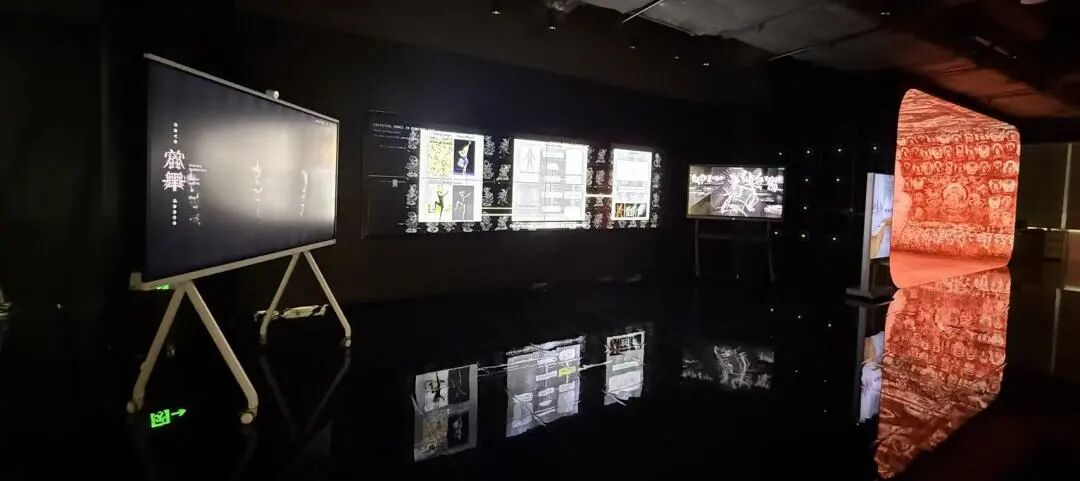
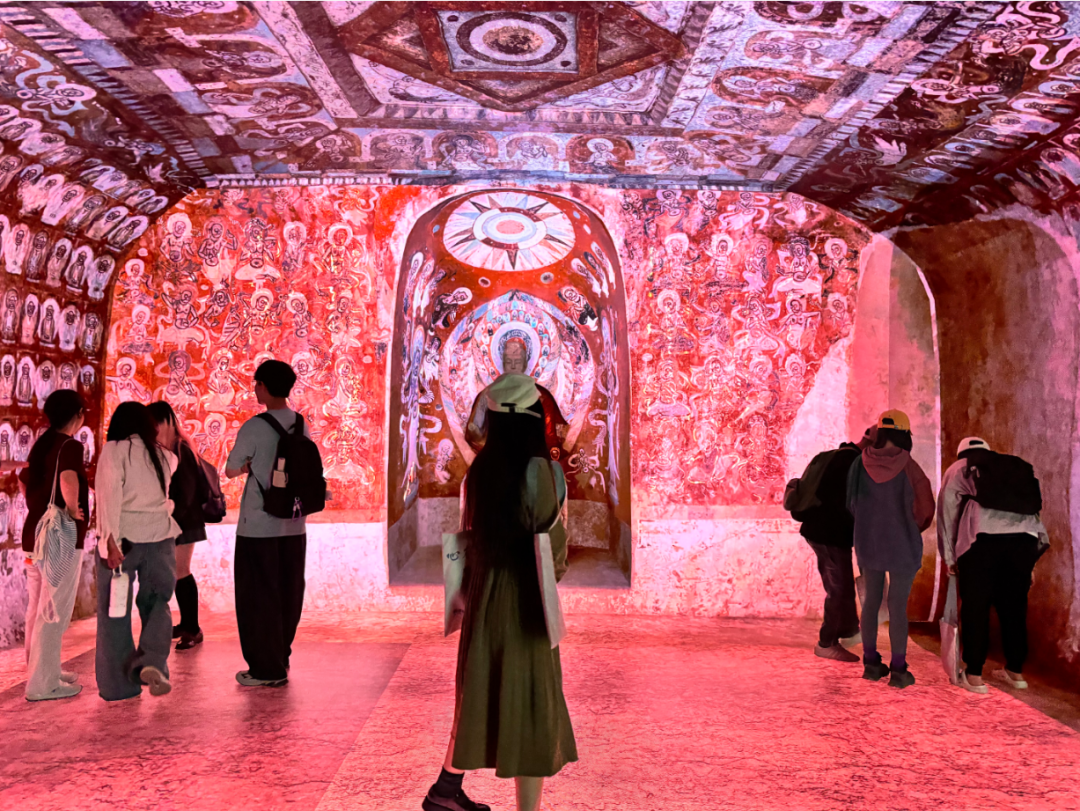
Table of Contents
What Problems Does Traditional Exhibition Face?
Why Are Brands Embracing Immersive LED?
Four Design Approaches for Immersive LED Spaces
Application Scenarios and Directions for Immersive LED
Spectrum Creative Immersive Display Capabilities
FAQ
The exhibition industry is undergoing a major "experience upgrade" shake-up. The old standard of "one display board + one paragraph of text + one TV screen" is increasingly failing to satisfy today's audiences and brands.
Problem 1: Visual Homogenization – All Booths Look the Same
Whether visiting a museum, science center, or trade exhibition, the common audience reaction is: "They all look the same again." Flat-panel LED screens, lightboxes, display boards—though arranged in countless combinations, the visual language is highly similar. Walking through an exhibition hall, visitors can count the memorable booths on one hand.
Problem 2: Lack of Interaction – Visitors "Pass By" Rather Than "Stop"
The traditional exhibition design logic is: "put the information out there and wait for people to look." But audience behavior has changed—they are no longer passive information receivers but active experience seekers. Without interactivity or engagement, visitor dwell time at a booth rarely exceeds 30 seconds.
Problem 3: Limited Experience – "See and Forget" Is the Norm
Research shows that within 24 hours of leaving an exhibition, visitors can recall less than 20% of the content they saw in traditional displays. The reason is simple—flat information rarely forms deep memories. In an age of information overload, content that doesn't trigger emotion or leave a spatial impression is destined to be forgotten.
According to industry observations, exhibition projects featuring immersive LED solutions see audience dwell times 2-3 times longer than traditional displays, with brand information retention improved by approximately 60%. This is not a quantitative change—it is a qualitative leap.
1. Enhanced Attraction – Making Visitors "Can't Help but Stop"
In the age of information overload, attention is the scarcest resource. Immersive LED spaces possess a "physical-level" attraction—when visitors walk into a space completely wrapped in visuals, the visual system instinctively engages, making it impossible to ignore.
This is not about brighter screens or larger sizes—it's about the "image as space" immersive experience. Visitors don't just "see" a booth—they "step into" a world.
2. Strengthened Brand Memory – Making Brands "Remembered" Rather Than "Seen"
The ultimate goal of brand display is not "getting the brand seen" but "getting the brand remembered." Immersive LED embeds brand information into visitors' spatial and emotional memory through spatial storytelling.
When visitors recall this booth, they don't remember images on a screen—they remember a spatial feeling of being "surrounded by the brand." This multi-sensory spatial memory is far more lasting than flat visual memory.
3. Generating Social Sharing – Making Visitors "Share Proactively"
Immersive LED spaces are inherently "photo-worthy" environments. When visitors find themselves in a 360° visually wrapped space, taking photos and videos is an almost instinctive behavior.
Data from multiple immersive exhibition projects shows that exhibitions with immersive LED spaces see 50%-80% higher spontaneous social media sharing rates than traditional exhibitions. This user-generated content is the most authentic second-wave communication for brands.
4. Maximized Space Utilization – Stronger Experience in the Same Footprint
Through multi-surface display and spatial wrapping, immersive LED enables a limited-area booth or showroom to generate a visually "infinite" experience. The same floor space delivers spatial memory and brand value several times higher than traditional displays.
Approach 1: LED Wall
Design: Single or multiple LED walls covering one or several walls of the exhibition space.
Applications: Main backdrops for corporate showrooms, main walls for museums, brand image zones at exhibitions.
Core value: Delivers large-area high-definition dynamic display within limited space—the most fundamental entry point to immersion. Paired with curved splicing, it can further expand field of view coverage.
Approach 2: LED Floor
Design: High-load-bearing LED floor tiles installed on the exhibition or booth floor.
Applications: Interactive zones at science centers, XR virtual production studios, brand experience space entrances.
Core value: Turns the ground beneath visitors' feet into a display surface. Combined with wall or ceiling screens, it creates 360° visual wrapping. Walking on top of the visuals generates strong interactivity and novelty.
Approach 3: Curved Space
Design: LED screens curved in arcs or waves, wrapping around the viewer's forward and side field of view.
Applications: Brand immersive showrooms, auto show experience zones, product launch catwalks.
Core value: Creates a "being wrapped" feeling in a non-enclosed space. Curved surfaces more closely match the human eye's natural field of view, significantly enhancing depth and presence.
Approach 4: Panoramic Space
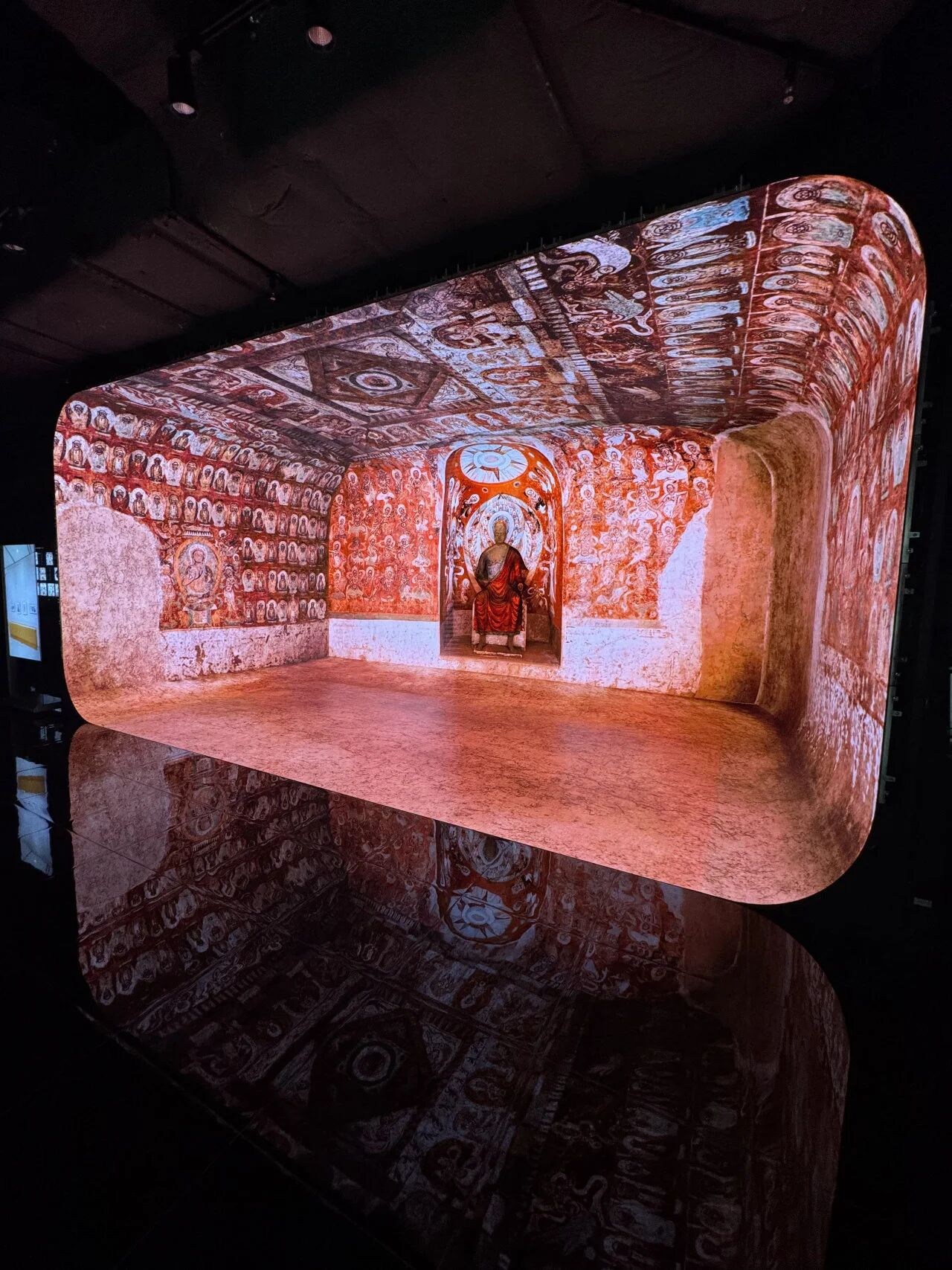
Design: Multi-surface enclosure with walls + floor + ceiling, forming a closed or semi-closed immersive environment.
Applications: Large brand flagship stores, immersive art galleries, core exhibits at science centers, XR virtual studios.
Core value: The moment visitors enter, they are fully wrapped in a complete content environment. This is the ultimate form of immersive LED—"space as screen, screen as space."
Direction 1: Museums & Cultural Exhibitions
Museums are transitioning from "artifact display" to "cultural storytelling." Immersive LED brings historical scenes, natural ecosystems, and artworks to life in dynamic, three-dimensional ways.
Typical approach: Historical/cultural immersive theater—visitors walk into a circular LED space surrounded by historical scene reconstructions; natural history museum ecosystem re-creations—visitors stand on LED floors with dynamic forest or ocean visuals beneath their feet.
Direction 2: Corporate Showrooms & Brand Experience Centers
The core mission of corporate showrooms is "making clients remember the brand." Immersive LED spaces allow brand stories, product technologies, and corporate philosophies to be experienced spatially rather than read on flat panels.
Typical approach: Immersion zones in brand flagship stores—customers step into a space fully wrapped in brand visuals, absorbing the brand's core spirit in seconds; product immersive display zones in corporate showrooms—products presented within surround visuals, placing visitors "inside" the application scenarios.
Direction 3: Tech Exhibitions & Trade Shows
At trade shows, booth attractiveness directly determines lead quantity and quality. Immersive LED can upgrade a booth from "one of many" to "the must-visit booth of the entire show."
Typical approach: Immersive LED corridors at exhibition entrances—visitors pass through a visually wrapped passage, achieving a "deep brand encounter" before they even reach the booth; 360° immersive spaces inside booths—inviting key clients into enclosed immersive environments for product demos and business meetings.
Direction 4: Commercial & Public Spaces
Commercial spaces are evolving from "shopping venues" to "experience destinations." Immersive LED installations can become the "visual anchor" of a commercial space—attracting foot traffic, extending dwell time, and driving consumption.
Typical approach: Immersive art installations in shopping mall atriums—regularly rotating themed content to maintain freshness; brand experience screens in hotel lobbies—providing differentiated visual memory points for premium hotels.
Spectrum Creative is a brand under JDStrong Technology dedicated to immersive LED solutions, providing complete immersive LED products and engineering services for museums, brand showrooms, tech exhibitions, and commercial spaces.
Core Product Capabilities:
Product Category | Description | Applications |
Curved LED Screen | Custom curvature, inward/outward arcs, wave shapes | Main walls, brand experience walls |
LED Floor Screen | High load-bearing, anti-slip, wear-resistant | Science centers, XR studios, interactive zones |
LED Cave | Multi-surface enclosed immersive space | Research visualization, high-end showrooms |
LED Dome | Hemisphere/spherical immersive structure | Science museums, planetariums, art exhibitions |
Panoramic Immersive Space | Six-surface full display, full-wrap experience | Brand flagship stores, immersive art galleries |
Why Choose Spectrum Creative:
🔘Complete product portfolio: Covering walls, floors, curved, cave, dome, panoramic, and more immersive formats
🔘Proprietary control systems: Multi-screen synchronization, content integration, frame-level precision
🔘End-to-end delivery: From concept design, structural engineering, product manufacturing to on-site installation and content commissioning
🔘Industry experience: Projects across museums, research institutions, corporate showrooms, trade exhibitions, and more
Related Cases (Internal Links):
High-End Exhibition Space Project|Custom Foldable LED Window System Achieves Integration of Architectural Space and Kinetic Display
Q1: Is immersive LED suitable for small exhibition spaces?
Yes. Immersion doesn't require a large footprint. A single curved LED wall or a small three-sided LED Cave can create an experience far beyond its physical size in a compact space. Spectrum Creative tailors solutions to actual spatial conditions.
Q2: Is immersive LED content production expensive?
Immersive LED requires multi-surface synchronized or spatial content production—more complex and costly than single flat-video production. However, content reuse rates are also higher—a single immersive content package can be reused across roadshows in different cities, with per-use costs decreasing over time.
Q3: Can LED floors withstand heavy foot traffic?
Yes. Spectrum Creative's LED floor screens feature high-load-bearing designs with anti-slip, wear-resistant surfaces, capable of handling normal exhibition foot traffic—suitable for science centers, trade shows, brand experience spaces, and more.
Q4: What is the delivery timeline for an immersive LED project?
Depends on project scale and customization level. Standard curved LED wall projects typically take 4-8 weeks; large panoramic immersive spaces or LED Dome projects may require 3-6 months. Spectrum Creative provides end-to-end project management from design to delivery.