
2026-10-03
Share


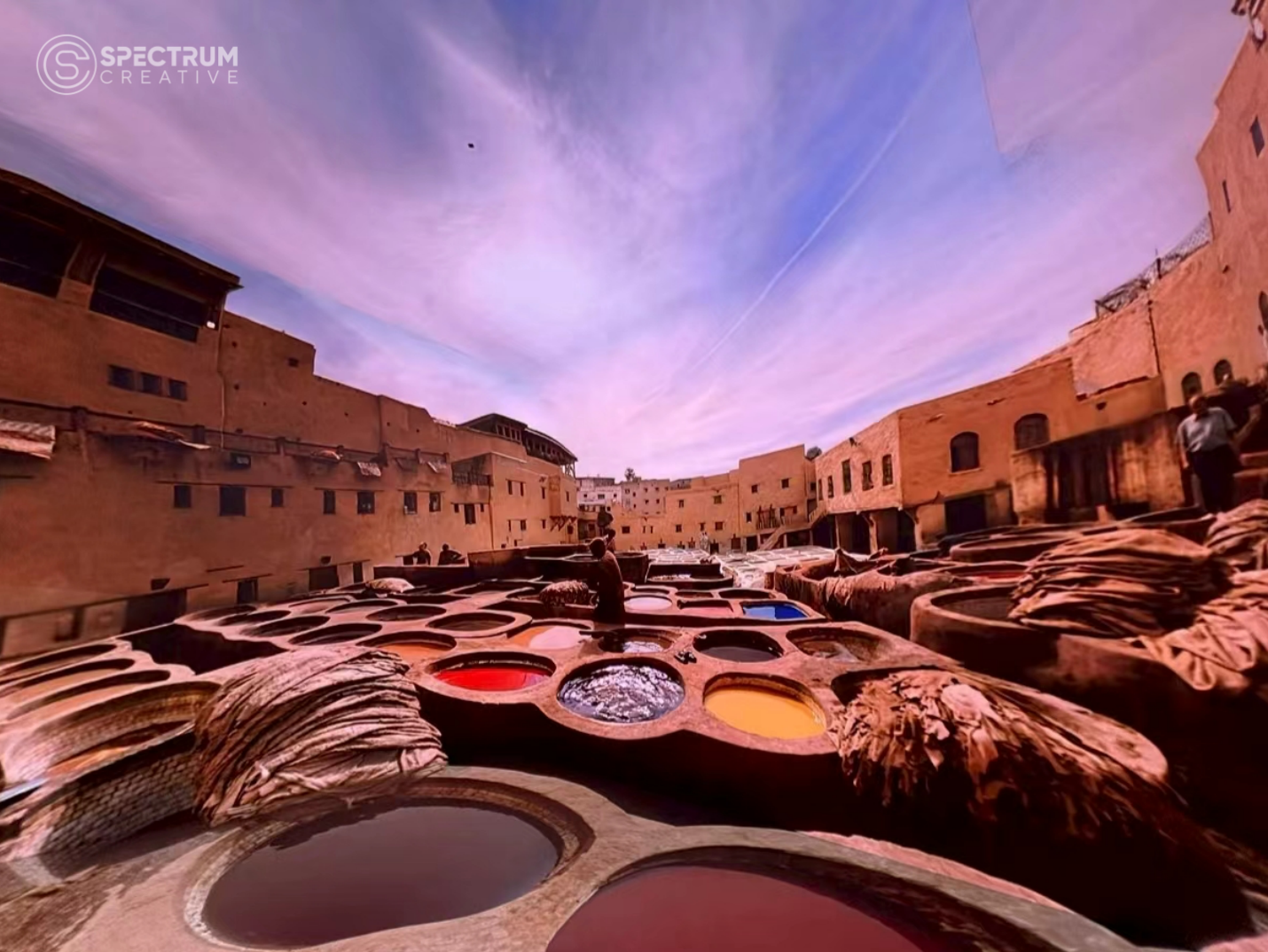
One-sentence definition:
An immersive brand space uses technologies such as LED spheres, creative LED displays, and CAVE systems to transform brand messages into spatial experiences. It is no longer just a screen placed in a space. It becomes an environment where audiences can enter, interact, stay longer, and share their experiences.
In 2026, premium commercial spaces in China are experiencing a new wave of flagship stores.
Dolby Laboratories opened its first global flagship experience center in Shanghai Zhangyuan, covering approximately 1,200 square meters and focusing on immersive brand experience rather than traditional retail.
Meanwhile, brands such as Dreame are developing large-scale flagship stores in Shanghai, with thousands of square meters dedicated to intelligent lifestyle experiences.
These spaces are not designed simply to display products.
They are designed to create experiences.
Modern flagship stores are becoming a combination of:
Brand experience centers
Social interaction spaces
Community hubs
Digital storytelling environments
The goal is no longer only to sell products.
The goal is to create emotional connections that make customers stay longer and remember the brand.
The physical store is changing from a place where products are displayed into a place where experiences are created.
The growth of immersive experiences reflects a larger transformation in how brands communicate with consumers.
The global immersive entertainment market continues to expand rapidly, with one market estimate projecting growth from USD 137.7 billion in 2025 to USD 168.5 billion in 2026, reaching more than USD 1 trillion by 2033.
Other research focusing specifically on immersive displays in entertainment projects growth from USD 3.65 billion in 2025 to USD 4.48 billion in 2026, representing a 22.7% CAGR.
These numbers point to the same direction:
Brands are moving budgets away from simply telling consumers who they are.
They are investing in experiences that allow consumers to feel who they are.
Traditional displays are built around one-way communication.
A poster, product wall, advertising screen, or digital billboard delivers information:
Brand → Consumer
The problem is that consumers today are surrounded by information everywhere.
A billboard may only receive a few seconds of attention.
A product display may be viewed once and forgotten.
The bigger question for brands is:
After customers leave, what will they actually remember?
A promotional message on a flat LED screen may disappear from memory quickly.But an immersive experience creates something different.People take photos.They record videos.They share the experience online.They become part of the brand communication process.
For example, Spectrum Creative’s six-sided immersive LED space project in Beijing Sanlitun generated significant user-generated content on platforms such as Xiaohongshu and Douyin after launch.
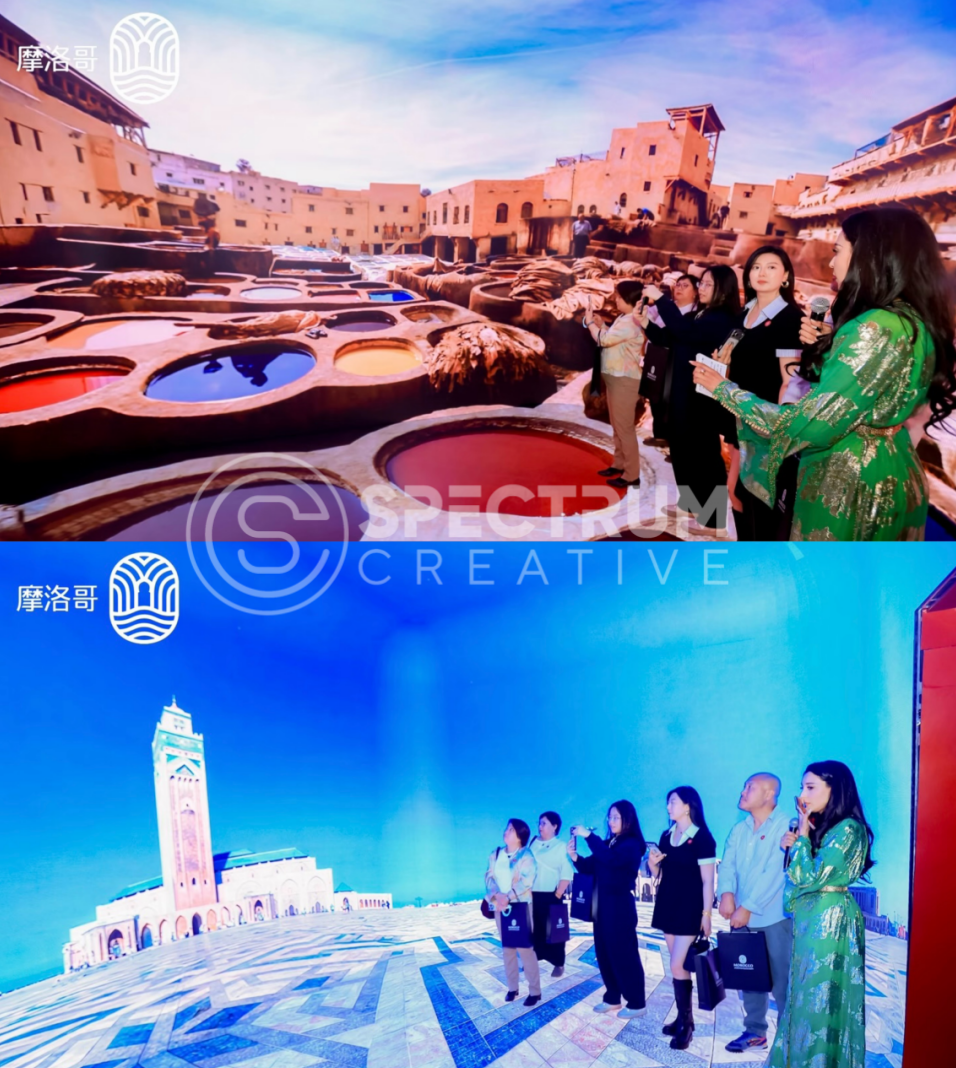
This is the fundamental difference:Traditional displays allow people to see a brand.Immersive spaces encourage people to share a brand experience.
A flagship experience center is no longer simply a place where sales happen.
It becomes a place where customers understand the brand through direct interaction.
Dolby’s Shanghai Zhangyuan experience center is a good example. The space focuses on allowing visitors to experience how technology changes entertainment rather than simply explaining product features.
Brand trust is not created by words.
It is created through experience.
Shopping malls are also changing.
They are no longer only places where people purchase products.
They are becoming places where people spend time.
Retail spaces are increasingly integrating:
Immersive installations
Seasonal experiences
Interactive environments
Digital art spaces
Beijing apm transformed parts of its shopping environment into immersive winter-themed experiences, while Shenzhen MixC World developed interactive storytelling spaces that encourage visitors to explore and share.
The purpose is simple:
Increase engagement by creating reasons for people to stay.
Traditional exhibitions focus on displaying objects.
Immersive exhibitions allow visitors to enter the story.
From digital restoration of historical environments to scientific visualization spaces, technologies such as LED spheres, CAVE environments, and customized LED structures are becoming important tools for next-generation exhibitions.
Visitors are no longer only observers.
They become participants.
Corporate showrooms are also evolving.
The question is no longer:
“How large is your company?”
The question is:
“How well can your company communicate its value?”
Large LED installations, interactive visualization systems, and immersive environments allow companies to present:
Data
Manufacturing capability
Innovation stories
Future visions
The showroom becomes a strategic communication platform rather than a simple exhibition area.
Three forces are driving this change.
Five years ago, immersive LED environments were often considered experimental concepts.
Today, technologies such as:
LED spheres
Creative LED displays
CAVE systems
3D Mapping
Real-time rendering
can already be delivered as professional engineering solutions.
Spectrum Creative’s immersive LED solutions have been applied across commercial spaces, educational institutions, research environments, and brand experience projects.
Younger consumers are no longer satisfied with passive advertising.
They want participation.
They want memorable experiences.
They want content worth sharing.
Immersive marketing works because it changes the relationship between consumers and brands.
The consumer is no longer watching the brand story.
They are entering the story.
Retail spaces are becoming experience platforms.
Empty commercial areas are being transformed into:
Brand activations
Immersive exhibitions
Interactive entertainment spaces
Digital experience centers
Commercial properties are no longer competing only through location.
They are competing through experience.
The longer visitors stay in a space, the more opportunities brands have to create engagement.
Immersive environments naturally increase interaction time.
Every photo, video, and social media post becomes additional brand exposure.
Unlike traditional advertising, immersive spaces encourage visitors to actively participate in spreading the message.
Consumers increasingly pay for experiences, not only products.
When brands become associated with memorable experiences, the perceived value increases.
This is not simply product pricing.
It is experience value.
From the 4.8-meter LED sphere at Siam Paragon Bangkok, to the five-sided CAVE immersive space at Hong Kong University of Science and Technology, to the six-sided immersive environment in Beijing Sanlitun, Spectrum Creative has developed immersive LED solutions across multiple application scenarios.
Spectrum Creative provides:
LED spheres
Creative LED displays
CAVE immersive environments
Robotic LED systems
covering different immersive experience requirements.
Spectrum Creative has developed software systems supporting immersive LED projects:
Spherical Image Intelligent Playback Control System V1.0
Supports spherical image processing, synchronization, and display control.
Immersive LED Display Virtual Scene Construction Software V1.0
Supports digital twin simulation and virtual environment verification.
Retractable Mechanical Screen Motion Editing System V1.0
Enables synchronization between mechanical movement and visual content.
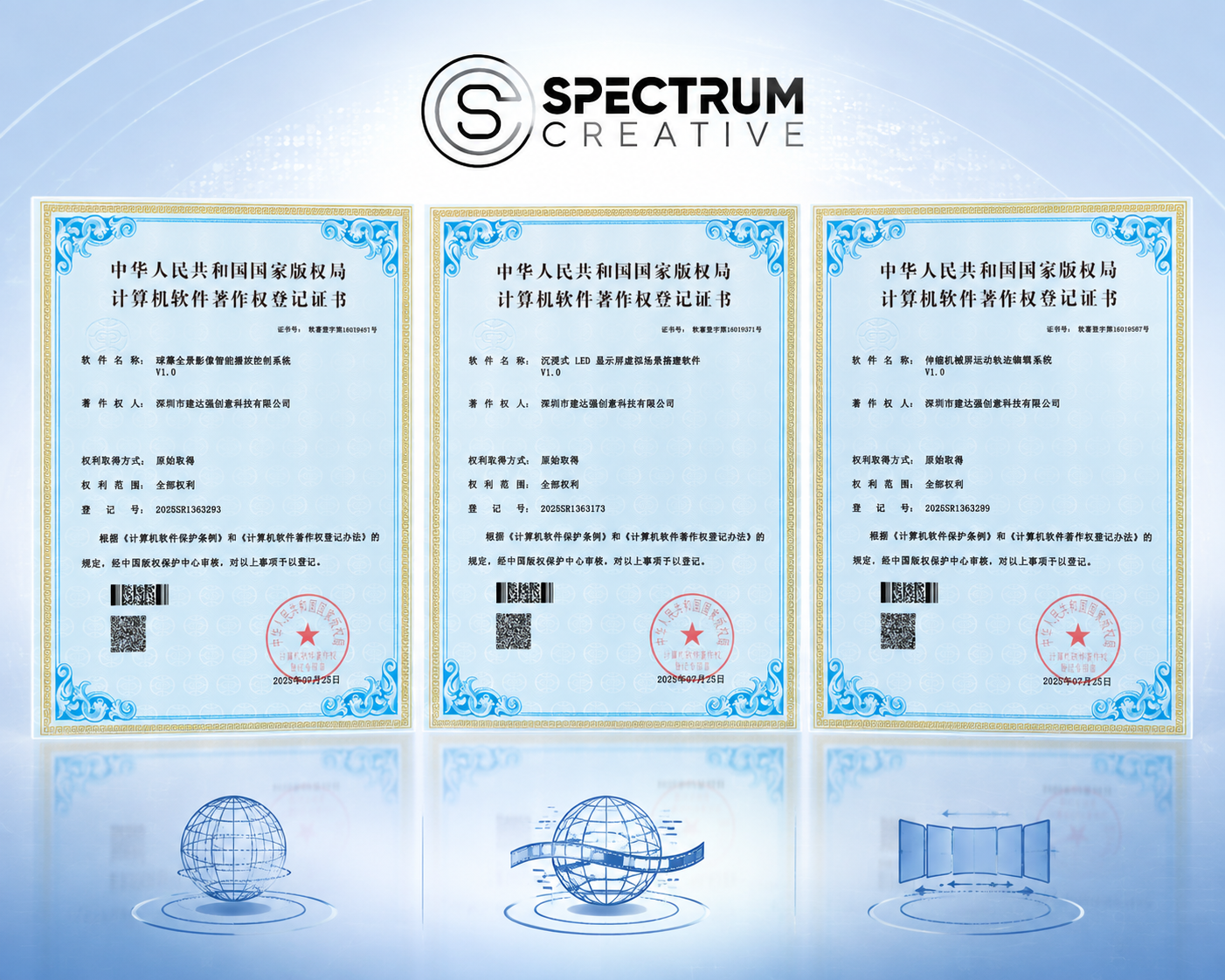
From concept design and structural engineering to LED integration, software systems, and final commissioning, Spectrum Creative provides an integrated delivery approach.
The goal is not simply to provide a display.
The goal is to deliver a complete immersive environment.
A traditional showroom shows information to visitors.
An immersive space allows visitors to experience the brand directly.
The difference is not only the technology.
It is the relationship between the audience and the brand.
Immersive spaces are especially valuable for brands that need customers to experience their value rather than simply understand it.
Typical applications include:
Luxury brands
Technology companies
Automotive brands
Cultural tourism projects
Corporate innovation centers
ROI can be evaluated through several dimensions:
Direct revenue from events or experiences
Increased customer engagement time
Social media exposure
Brand perception improvement
The value is not limited to immediate sales.
Yes.
Through professional media servers and platforms such as Disguise, TouchDesigner, and MADRIX, brands can continuously update content for:
Seasonal campaigns
Product launches
Brand collaborations
Special events
One hardware system can support many different experiences.
Not necessarily.
Immersive experiences can range from large flagship environments to smaller brand installations.
The key factor is not size.
It is whether the space successfully brings audiences into the brand story.