
2026-10-08
Share


One-sentence definition:
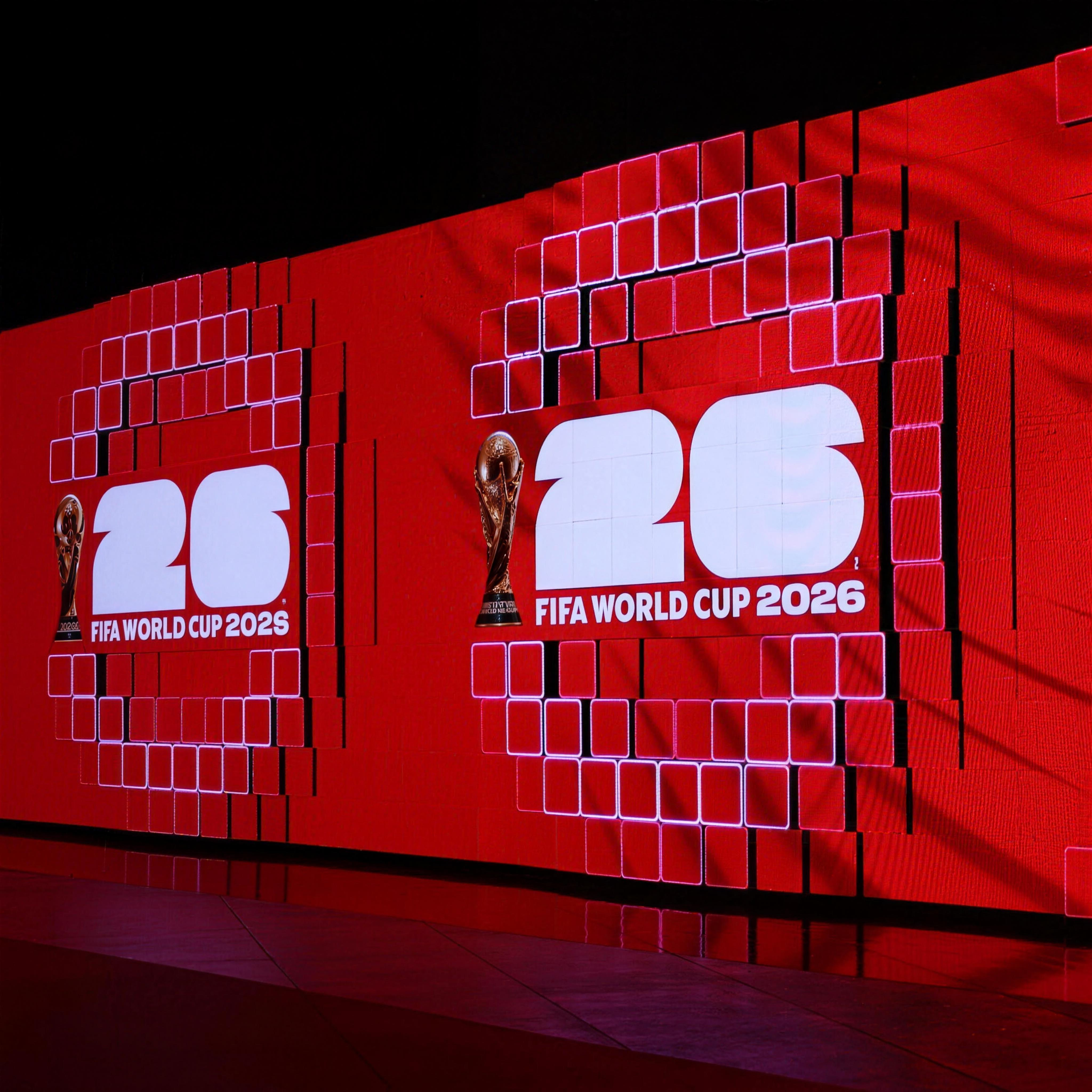
Robotic display is a new form of visual technology that deeply integrates LED display modules with precision mechanical motion systems, giving screens physical movement capabilities along the Z-axis beyond traditional X-axis and Y-axis display. It is transforming stages and exhibitions from “flat visual presentation” into “three-dimensional experiences”, and from passive viewing into active participation.
In April 2026, GETshow (Guangzhou Entertainment Technology Show) concluded successfully. Covering an exhibition area of 150,000 square meters, the event attracted more than 1,000 professional lighting and audio brands from around the world, with intended transaction value exceeding RMB 45 billion. The exhibition covered a wide range of sectors, including professional lighting, audio systems, LED displays, stage machinery, and special effects equipment.
This is not an isolated trend. The global stage machinery market reached approximately USD 1.9 billion in 2025 and is expected to grow to around USD 2 billion in 2026. Meanwhile, the global stage and scenic equipment market was valued at approximately USD 6.88 billion in 2025 and is projected to exceed USD 10 billion by 2035.
Behind these numbers is a deeper transformation across the industry: the market is moving from selling individual equipment toward creating complete experiences, and from exporting products toward delivering integrated solutions.
Within this transformation, robotic display has become one of the most closely watched technology directions. At GETshow 2026, companies showcased advanced solutions designed for cultural tourism performances, theaters, conference spaces, and immersive entertainment environments. The industry is clearly moving toward intelligent, high-end, and globally integrated solutions.
For decades, LED screens on stages have mainly played the role of a background surface—displaying videos, enhancing visual atmosphere, and supporting performers. No matter how impressive the content is, the screen itself remains a static two-dimensional object.
Robotic display changes this relationship.
Through precision multi-axis mechanical structures and intelligent control algorithms, previously static LED modules can now achieve rhythmic physical movement along the Z-axis. The screen is no longer only displaying visuals; it becomes part of the performance itself—moving with music, responding to rhythm, and changing with the emotional atmosphere.
At GETshow 2026’s “Extreme SHOW 2.0”, robotics, piano performance, Tai Chi, street dance, lighting, audio systems, numerical control machinery, and LED displays were combined into an immersive audiovisual experience. Visitors were not simply looking at product demonstrations—they were experiencing a complete performance.
This reflects a broader industry transition: from selling products to selling creativity, operation capability, and high-value solutions.
The live entertainment market continues to expand. In January 2025 alone, nationwide concert box office revenue exceeded RMB 560 million, while the number of music festivals doubled compared with previous periods. As demand for premium performance equipment increases, the physical 3D experience created by robotic display is becoming an important feature of high-end stage productions.
The exhibition industry faces a major challenge today: audience attention has become the most valuable resource.
In an era of information overload, visitors often decide whether to stop at an exhibition booth within only a few seconds. Traditional flat displays struggle to solve this problem because they can only be seen—they cannot create direct interaction.
Robotic display offers a different approach.
At ISE 2026, robotic display attracted significant attention as visitors experienced real-time interaction between humans and machines. When visitors moved their hands, the screen responded with physical motion. When people approached, the modules could retract and adjust accordingly.
This physical feedback is redefining the boundaries of offline marketing.
The key changes are:
Traditional LED displays act mainly as visual backgrounds. Robotic display introduces physical movement through the Z-axis, allowing the screen to communicate with visitors through real-time motion.
The audience is no longer just watching the installation—they become part of the experience.
Human-machine interaction naturally creates shareable content. Visitors are more likely to record videos, take photos, and share their experiences online.
For brands, this creates additional exposure beyond the exhibition itself, turning physical interaction into long-term digital communication.
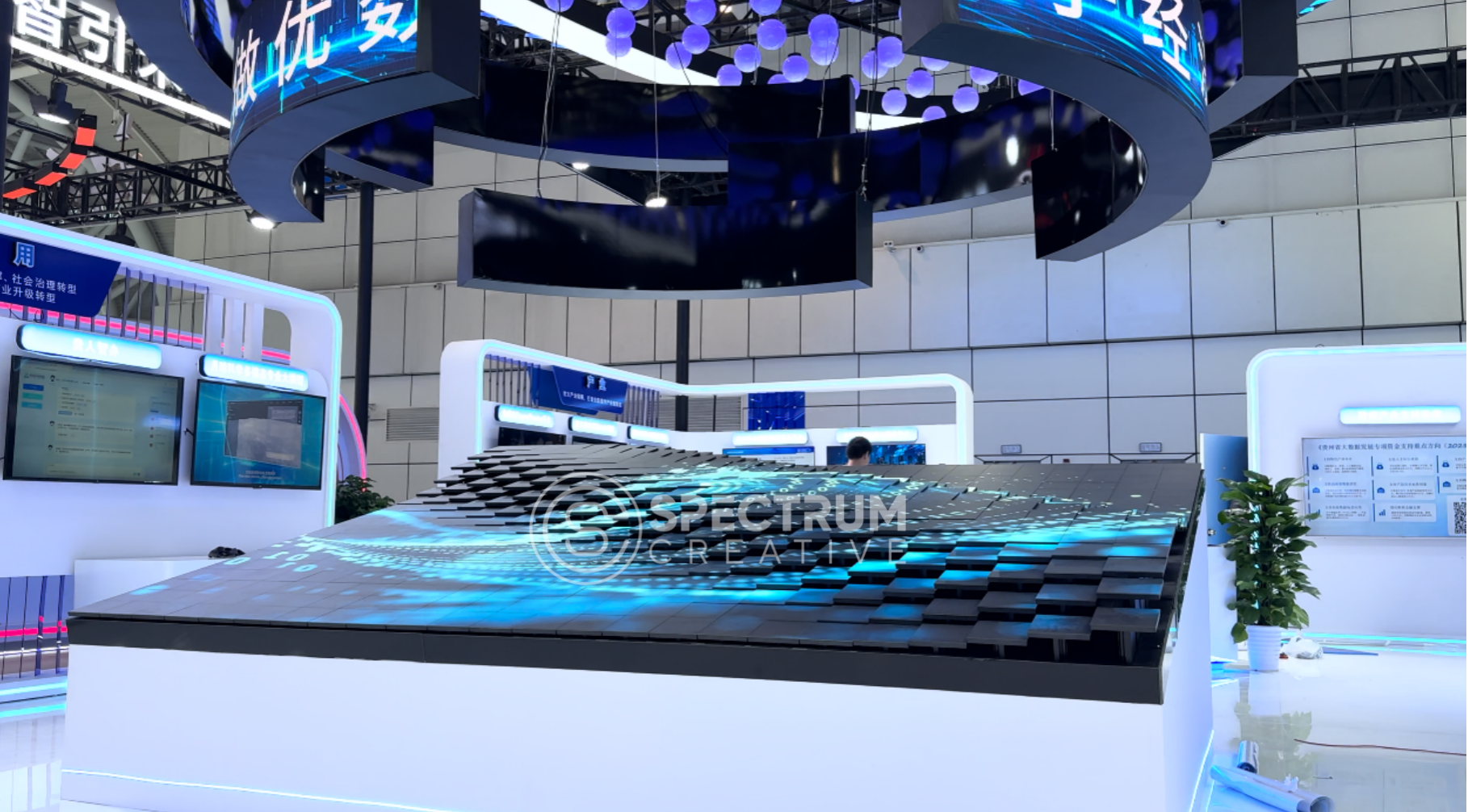
The rise of robotic display is driven by the maturity of several key technologies.
Modern robotic displays no longer rely on traditional open-loop stepper systems. They have entered the era of closed-loop servo control.
Through self-developed bus servo motors and automotive-grade CAN Bus communication architecture, robotic display systems can achieve highly synchronized movement across thousands of modules.
The system supports up to 65,536 motion units operating simultaneously, with control precision reaching 0.1mm level. This allows high-speed movement while maintaining low operating noise and accurate positioning.
The integration of robotic display with professional creative software such as TouchDesigner and Unreal Engine 5 has significantly expanded creative possibilities.
Designers can directly control physical modules through digital content workflows. Through dedicated plugins, visual content and mechanical movement can achieve frame-level synchronization.
The system can also integrate sensors such as radar, depth cameras, facial recognition, and voice interaction, allowing audiences to directly influence the movement of the screen.
Creative displays are no longer limited to traditional LED variations. A complete product ecosystem has developed, including irregular displays, transparent displays, flexible displays, and robotic display systems.
These technologies are increasingly used in stage performances, smart transportation, esports events, cultural spaces, and commercial installations.
Robotic display is undergoing a fundamental transformation.
It is no longer simply a screen mounted on a wall. It is becoming part of the environment itself.
On stage, it becomes a mechanical performer that interacts with artists.
In exhibitions, it becomes an interactive interface that communicates with visitors.
In commercial spaces, it becomes a dynamic sculpture that defines atmosphere and emotion.
The theme of GETshow 2026, “Mu”, reflects this transformation of light and space—from people actively searching for light in traditional environments to being surrounded by immersive visual experiences.
Visitors are no longer passive viewers. They become participants inside a dynamic environment.
The industry is moving from selling individual products toward creating complete experiences based on hardware + software + content integration. Robotic display is becoming one of the key technologies driving this transformation.
Three major trends will continue shaping the future of robotic display.
AI-driven adaptive experiences will become increasingly important. Screens will be able to adjust movement patterns based on audience flow, emotional responses, and environmental conditions.
Future customers will not simply purchase a screen. They will require a complete experience system combining hardware, software, content creation, and operation services.
Chinese stage and entertainment equipment manufacturers already occupy an important position in the global market. Robotic display technologies are expected to continue expanding into international stages, exhibitions, museums, and commercial spaces.
Traditional LED displays are two-dimensional surfaces limited to X-axis and Y-axis information presentation. Robotic display introduces physical movement along the Z-axis, allowing the screen to extend, retract, and create dynamic three-dimensional experiences.
Robotic display transforms screens from background elements into active performers. Through synchronized movement with music, lighting, and performers, the screen becomes part of the performance rather than only a visual background.
Traditional displays are mainly viewed passively. Robotic display creates physical interaction through movement, allowing visitors to participate, interact, and generate memorable experiences that are more likely to be shared online.
With the development of servo control systems, CAN Bus communication, and creative software ecosystems such as TouchDesigner and Unreal Engine 5, robotic display has reached a high level of technical maturity. Modern systems can support large-scale synchronized movement with millimeter-level precision.
Robotic display can be used in stage performances, concerts, music festivals, theaters, exhibitions, museums, brand activations, commercial spaces, and public art installations.